Health Hub
The Power of Quality Sleep
Discover how optimizing your sleep can transform your health, boost cognitive performance, and enhance your overall wellbeing.

Understanding Your Sleep Cycle
A typical 90-minute sleep cycle progresses through distinct stages, each crucial for different aspects of health
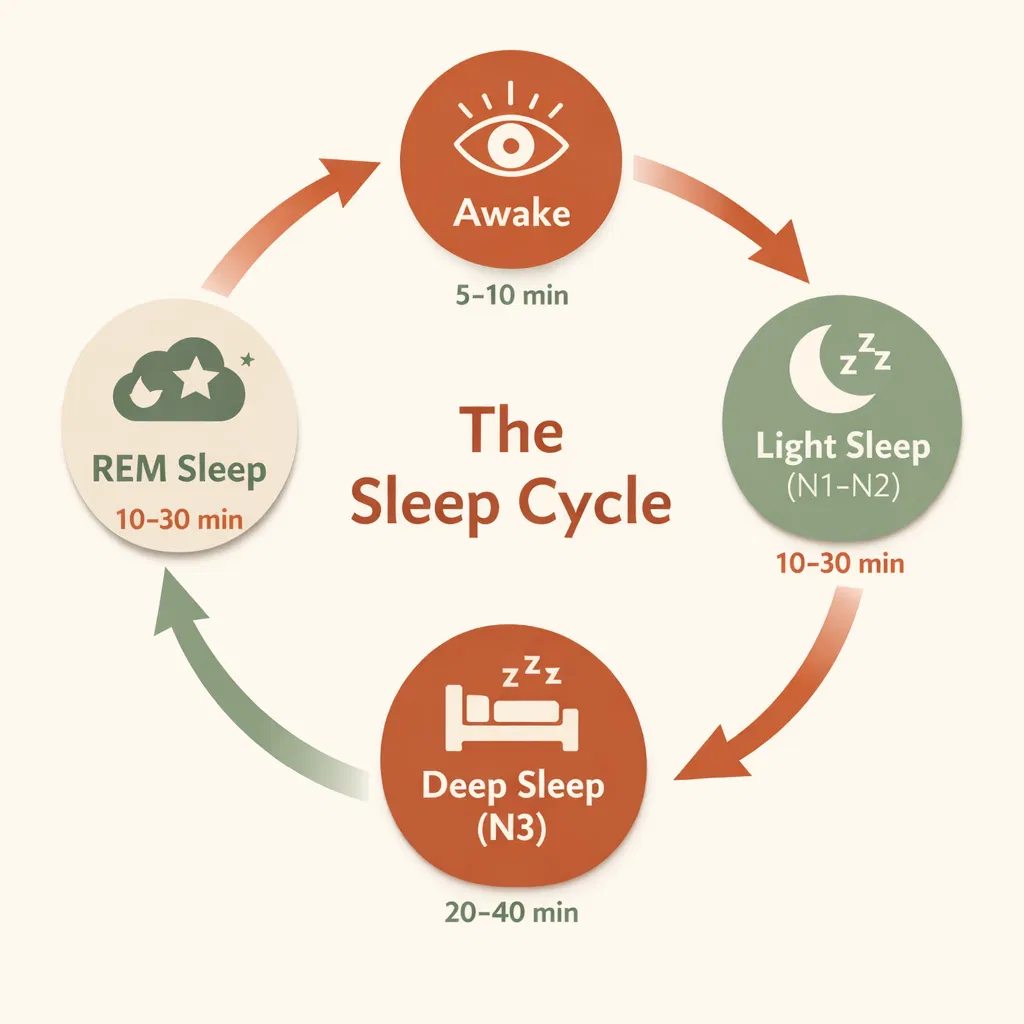
Awake (5-10 min)
The transition phase where your body begins to relax and your brain waves slow down as you drift toward sleep.
Light Sleep - N1 & N2 (10-30 min)
Your body temperature drops, heart rate slows, and you become less aware of your surroundings. This stage is crucial for memory consolidation.
Deep Sleep - N3 (20-40 min)
The most restorative stage where physical restoration occurs, muscles repair, and immune function strengthens.
REM Sleep (10-30 min)
Rapid Eye Movement sleep is when vivid dreams occur and emotional memories are processed and consolidated.
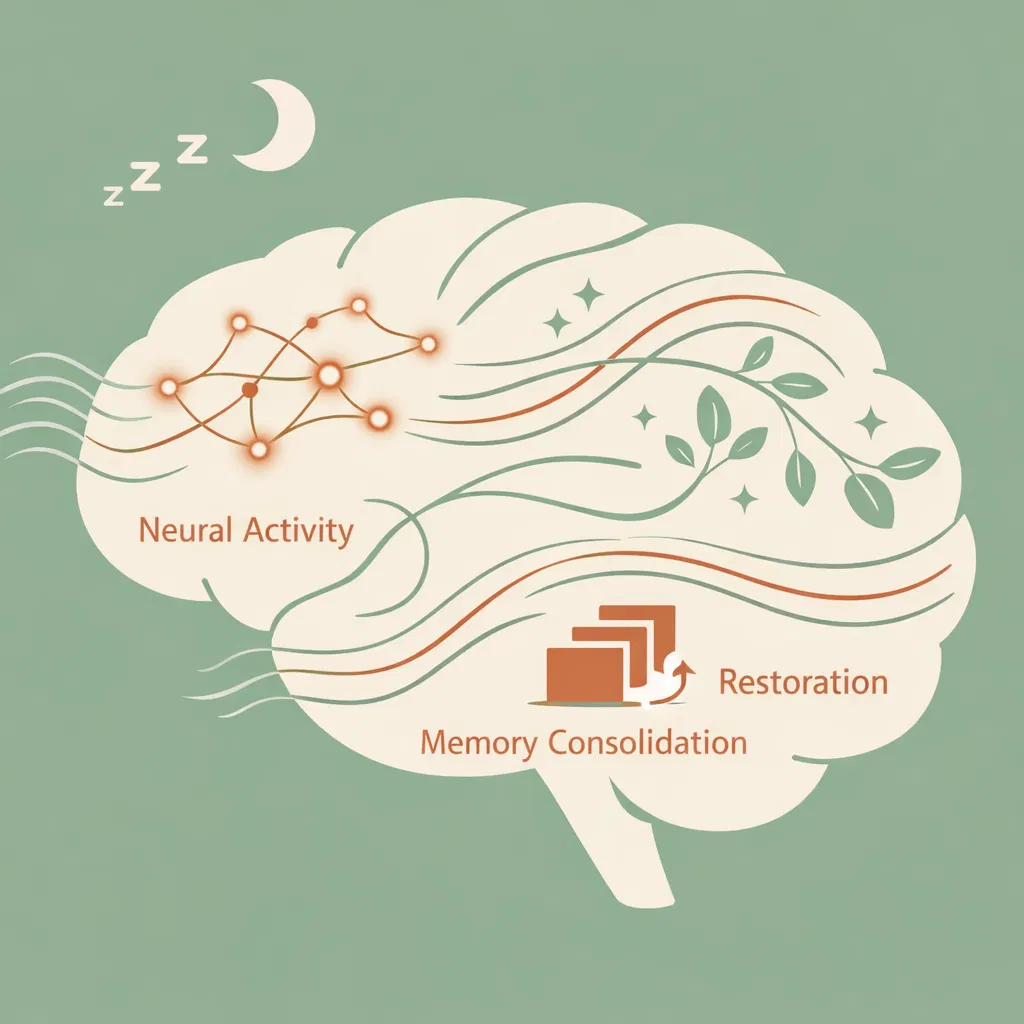
What Happens During Sleep
Memory Consolidation
During sleep, your brain processes and stores information from the day, strengthening memories and learning.
Physical Restoration
Sleep allows your body to repair tissues, synthesize proteins, and release growth hormones for recovery.
Immune Function
Quality sleep strengthens your immune system, helping you fight infections and maintain wellness.
Benefits of Quality Sleep
Discover how adequate sleep transforms every aspect of your health and performance
Memory Consolidation
During sleep, your brain processes and stores information from the day, strengthening memories and learning.
Physical Restoration
Sleep allows your body to repair tissues, synthesize proteins, and release growth hormones for recovery.
Immune Function
Quality sleep strengthens your immune system, helping you fight infections and maintain wellness.
Emotional Regulation
Adequate sleep improves mood, reduces stress, and enhances emotional resilience and mental clarity.
Metabolic Health
Sleep regulates hormones that control appetite and metabolism, supporting healthy weight management.
Cognitive Performance
Well-rested individuals show improved focus, creativity, problem-solving, and decision-making abilities.
Optimize Your Sleep
Evidence-based strategies to improve sleep quality and duration
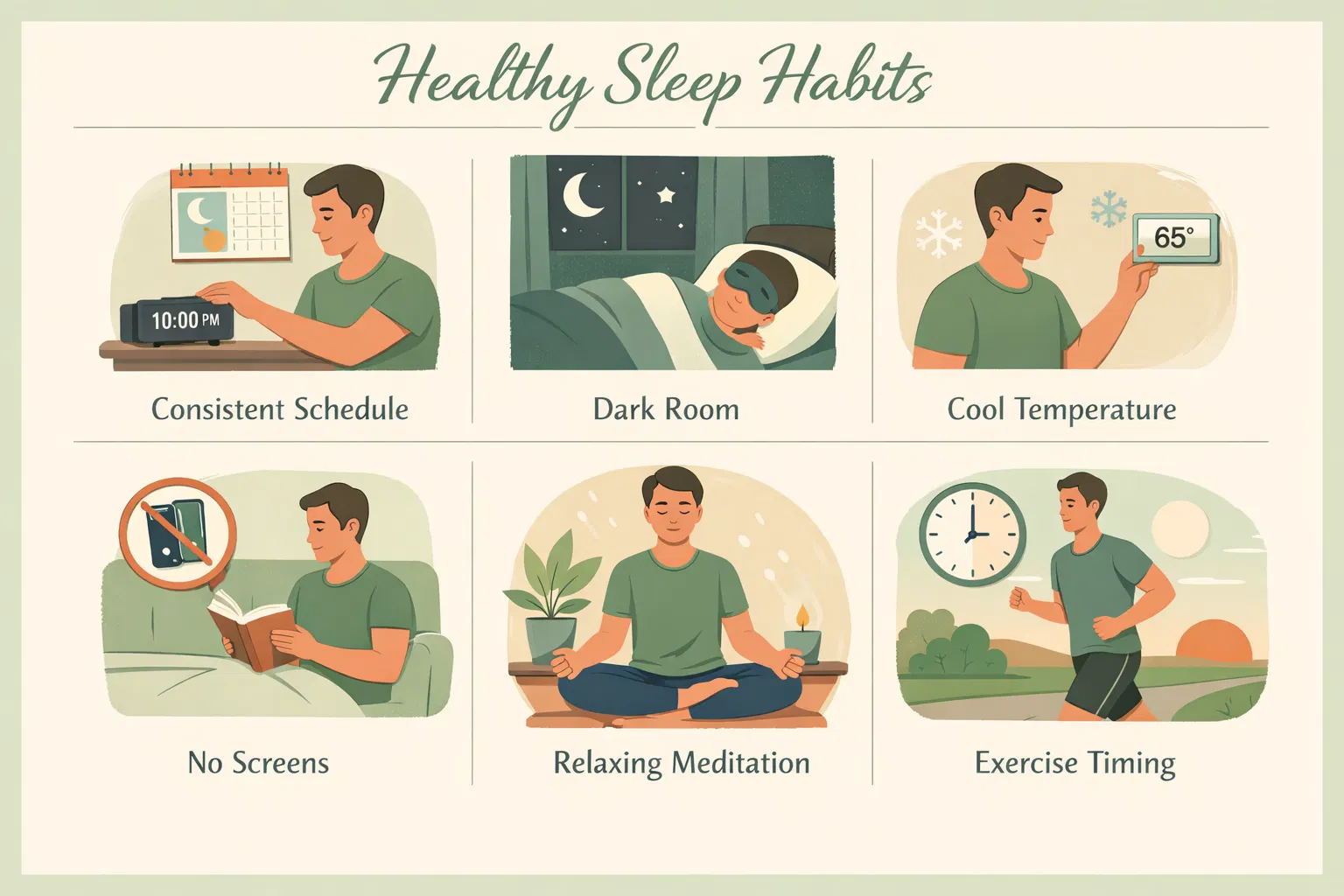
Consistent Schedule
Go to bed and wake up at the same time daily, even on weekends, to regulate your circadian rhythm.
Dark Environment
Keep your bedroom completely dark to promote melatonin production and deeper sleep.
Cool Temperature
Maintain a bedroom temperature between 60-67°F (15-19°C) for optimal sleep quality.
No Screens
Avoid blue light from devices at least 1 hour before bedtime to protect melatonin levels.
Relaxation Practices
Try meditation, deep breathing, or progressive muscle relaxation to calm your mind.
Exercise Timing
Exercise regularly but finish workouts 3-4 hours before bed for better sleep onset.
Track Your Sleep Patterns
Monitor your sleep duration, quality, and patterns over time. Use the data to identify what helps you sleep better.
Total Entries
0
Sleep records logged
Average Duration
0
hours per night
Average Quality
0
out of 10
Log Your Sleep
No Sleep Data Yet
Start tracking your sleep to visualize patterns and optimize your rest.
Sleep Duration Recommendations
Adults (18-64 years)
7-9 hours per night
Consistent sleep duration supports optimal cognitive function, immune health, and metabolic balance.
Older Adults (65+ years)
7-8 hours per night
Quality sleep becomes increasingly important for maintaining cognitive sharpness and physical health.
Individual sleep needs vary. Pay attention to how you feel and adjust accordingly.
If you consistently struggle with sleep quality or duration, consult a healthcare professional or sleep specialist.
Ready to Transform Your Sleep?
Start implementing these sleep optimization strategies tonight and experience the profound benefits of quality rest.