Share:
Discover the fascinating science behind the gut-brain axis — the intricate two-way communication network between your digestive system and brain that profoundly influences your mood, mental health, and overall wellbeing.
## Introduction
The human gut contains approximately 100 million nerve cells — more than either the spinal cord or the peripheral nervous system. This remarkable neural network, often called the "second brain," communicates constantly with the brain through the gut-brain axis: a complex, bidirectional signaling system that links your digestive health directly to your emotional state, cognitive function, and mental wellbeing.
Modern neuroscience has fundamentally shifted our understanding of the mind-body connection. What was once dismissed as folk wisdom — the idea that gut feelings reflect real physiological states — is now supported by a growing body of research showing that the microorganisms living in your digestive tract exert profound influence over your brain chemistry, immune function, and even your personality.
## What Is the Gut-Brain Axis?
The gut-brain axis is a sophisticated communication network that connects the enteric nervous system (ENS) of the gastrointestinal tract with the central nervous system (CNS) of the brain and spinal cord. This connection operates through multiple channels simultaneously: the vagus nerve (the longest cranial nerve in the body), the immune system, the endocrine system, and the metabolic byproducts of gut bacteria.
The vagus nerve serves as the primary highway of this communication system, transmitting signals in both directions. Remarkably, approximately 90% of the signals traveling along the vagus nerve flow upward from gut to brain — not the other way around. This means your digestive system is constantly sending information to your brain, influencing everything from your stress response to your decision-making processes.
## The Gut Microbiome: Your Internal Ecosystem
Your gut houses a vast community of microorganisms — bacteria, viruses, fungi, and other microbes — collectively known as the gut microbiome. A healthy adult carries approximately 38 trillion microbial cells, roughly equal to the number of human cells in the body. This ecosystem weighs between 1.5 and 2 kilograms and contains more than 1,000 distinct species of bacteria.
The composition of your microbiome is uniquely personal, shaped by your genetics, birth method, early feeding practices, diet, lifestyle, medications, and environment. This microbial community performs essential functions: synthesizing vitamins, metabolizing dietary compounds, training the immune system, and producing neurotransmitters that directly affect brain function.
## How Gut Health Affects Mood and Mental Health
The relationship between gut health and mental health is bidirectional and profound. Disruptions to the gut microbiome — a state called dysbiosis — have been consistently associated with anxiety, depression, and cognitive impairment. Conversely, chronic stress and psychological distress alter gut motility, permeability, and microbial composition.
Research published in Nature Microbiology identified specific bacterial species whose abundance correlates with quality of life and depression scores. Individuals with lower levels of Coprococcus and Dialister bacteria showed significantly higher rates of depression, even after controlling for antidepressant use. These bacteria produce butyrate, a short-chain fatty acid that nourishes intestinal cells, reduces inflammation, and supports the blood-brain barrier.
Inflammation represents one of the most important mechanisms linking gut health to mental wellbeing. When the gut lining becomes permeable — a condition colloquially known as "leaky gut" — bacterial fragments and inflammatory molecules can enter the bloodstream and trigger systemic inflammation. This neuroinflammation has been implicated in the pathophysiology of depression, anxiety disorders, and neurodegenerative diseases including Alzheimer disease.
## Practical Strategies to Support Your Gut-Brain Health
Optimizing the gut-brain axis requires a multifaceted approach that addresses diet, lifestyle, and stress management simultaneously.
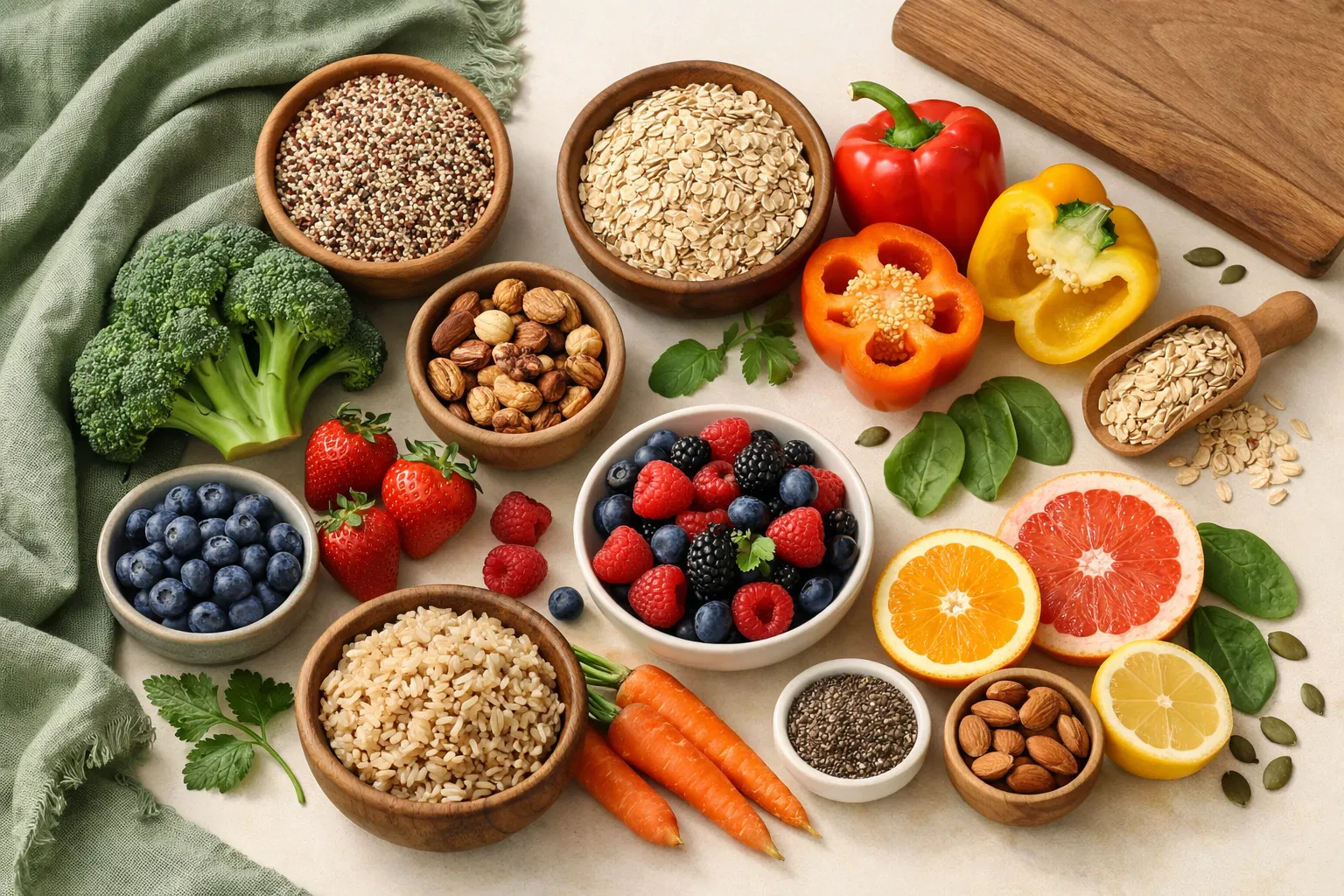
A diverse, fiber-rich diet is the single most impactful intervention for gut microbiome health. Fermented foods — yogurt, kefir, sauerkraut, kimchi, miso, and kombucha — introduce beneficial bacteria directly into the digestive tract. Prebiotic foods such as garlic, onions, leeks, asparagus, bananas, and oats provide the dietary fiber that feeds beneficial bacteria and promotes the production of short-chain fatty acids.
The Mediterranean diet, characterized by high consumption of vegetables, legumes, whole grains, fish, and olive oil, has been associated with lower rates of depression and anxiety in multiple large-scale epidemiological studies. A landmark randomized controlled trial published in BMC Medicine demonstrated that a dietary intervention based on Mediterranean principles produced significantly greater reductions in depression scores compared to social support alone.
Psychobiotics — a term coined by researchers to describe probiotics with demonstrable mental health benefits — represent an emerging therapeutic frontier. Strains including Lactobacillus rhamnosus, Bifidobacterium longum, and Lactobacillus helveticus have shown promise in clinical trials for reducing anxiety and depressive symptoms.
Chronic psychological stress profoundly disrupts gut function. The stress hormone cortisol alters gut motility, increases intestinal permeability, and shifts the composition of the microbiome toward pro-inflammatory species. Mind-body practices including mindfulness meditation, yoga, and deep breathing exercises have been shown to reduce cortisol levels and improve gut barrier function.
The gut microbiome follows its own circadian rhythm, and disrupted sleep patterns alter microbial composition in ways that increase inflammation and impair mood regulation. Prioritizing 7–9 hours of quality sleep per night supports both gut health and the brain emotional processing systems.
## The Future of Gut-Brain Medicine
The gut-brain axis is rapidly becoming one of the most exciting frontiers in medicine. Researchers are investigating fecal microbiota transplantation (FMT) as a treatment for depression, anxiety, and even autism spectrum disorders. Early clinical trials have shown promising results, with some patients experiencing dramatic improvements in mood and cognitive function following transplantation from healthy donors.
Understanding the gut-brain connection empowers you to take a more holistic approach to your health. Every meal you eat, every night of sleep you prioritize, and every stress management practice you adopt sends signals along this remarkable communication network — shaping not just your digestive health, but the very chemistry of your mind.
Written by
Dr. Sarah Chen
Health & wellness expert contributing evidence-based content to Health Hub.