Health Hub
Fuel Your Body with Optimal Nutrition
Learn the science of nutrition, track your meals, and make informed dietary choices to support your health goals.
Understanding Macronutrients
The three main nutrients your body needs for energy and function
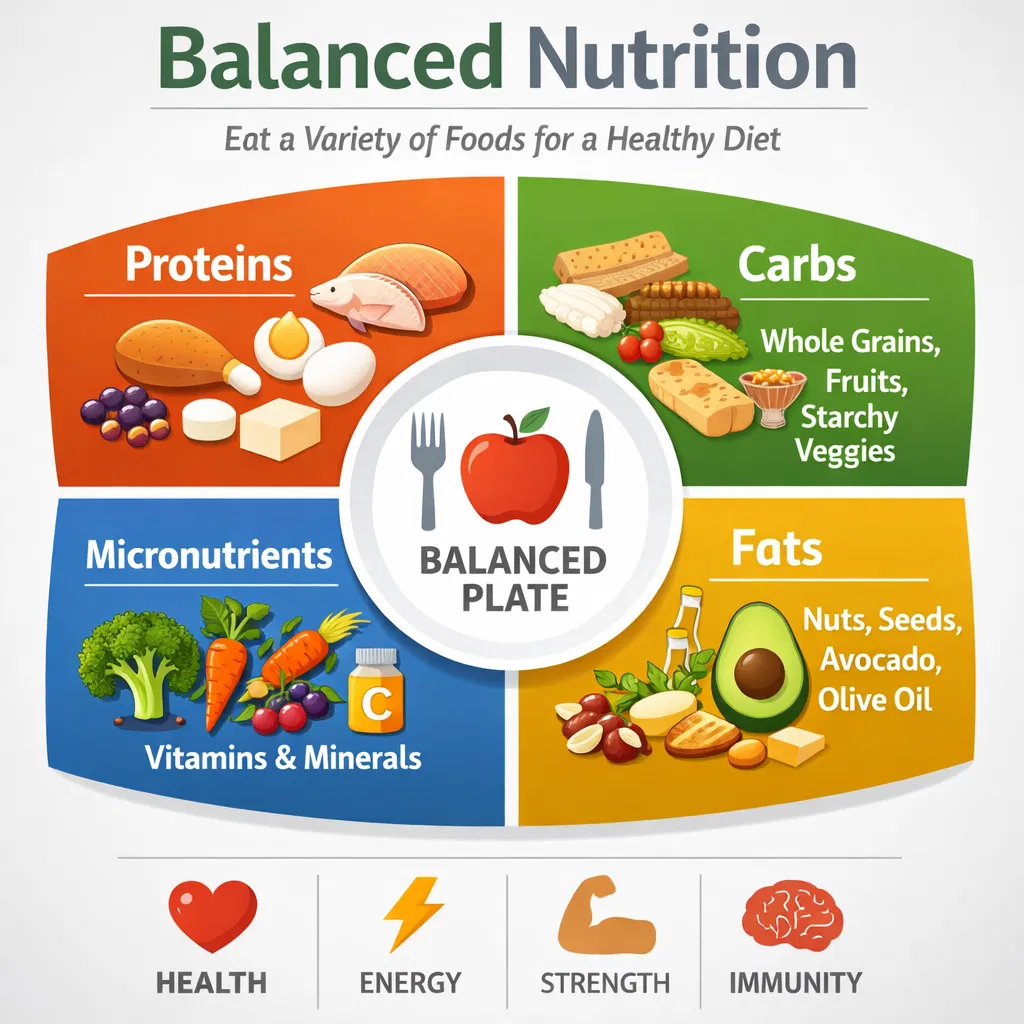
Proteins
Essential for building and repairing muscles, tissues, and enzymes. Proteins are made of amino acids, some of which your body cannot produce.
Daily Goal: 0.8-1.0g per kg of body weight
Sources: Chicken, Fish, Eggs, Legumes, Nuts, Greek Yogurt, Tofu
Carbohydrates
Your body's primary energy source. Carbs fuel your brain, muscles, and organs. Choose complex carbs for sustained energy.
Daily Goal: 225-325g for a 2000 calorie diet
Sources: Brown Rice, Whole Wheat, Oats, Sweet Potatoes, Fruits, Vegetables, Legumes
Fats
Essential for hormone production, nutrient absorption, and brain health. Focus on unsaturated fats and limit saturated fats.
Daily Goal: 44-78g for a 2000 calorie diet
Sources: Olive Oil, Avocado, Nuts, Seeds, Fatty Fish, Coconut Oil, Nut Butters
Fiber
Supports digestive health, regulates blood sugar, and promotes satiety. Most people need more fiber in their diet.
Daily Goal: 25-30g daily
Sources: Whole Grains, Vegetables, Fruits, Legumes, Seeds, Nuts
The Five Food Groups
A balanced diet includes foods from all major food groups
Vegetables
Rich in vitamins, minerals, and fiber. Low in calories, high in nutrients.
3-5 servings daily
Fruits
Packed with vitamin C, potassium, and antioxidants. Natural sweetness and fiber.
2-4 servings daily
Proteins
Essential for muscle growth, repair, and hormone production. Supports satiety.
2-3 servings daily
Grains
Energy source with B vitamins and fiber. Choose whole grains when possible.
4-6 servings daily
Dairy
Excellent source of calcium and protein. Important for bone health.
2-3 servings daily
Healthy Fats
Support heart health, brain function, and nutrient absorption.
2-3 servings daily
Healthy Eating Tips
Evidence-based strategies for better nutrition

Eat the Rainbow
Consume a variety of colorful fruits and vegetables to ensure diverse nutrient intake and antioxidant protection.
Hydration
Drink at least 8 glasses of water daily. Proper hydration supports metabolism, digestion, and cognitive function.
Balanced Macros
Aim for a balance of proteins, carbohydrates, and healthy fats. A typical ratio is 40% carbs, 30% protein, 30% fats.
Whole Grains
Choose whole grains over refined carbohydrates. They provide more fiber, nutrients, and sustained energy.
Portion Control
Use smaller plates, eat slowly, and listen to hunger cues. Proper portions prevent overeating and support weight management.
Meal Prep
Prepare meals in advance to make healthy eating convenient and reduce reliance on processed foods.
Track Your Nutrition
Monitor your daily calorie intake, macronutrients, and food choices to optimize your nutrition
Total Calories
0
of 2000 kcal goal
Protein
0.0
grams
Carbs
0.0
grams
Fats
0.0
grams
Daily Calorie Goal
2000
remaining
Quick Add Common Foods
Log Your Meal
No Nutrition Data Yet
Start tracking your meals to monitor calories and macronutrients.
Understanding Calorie Needs
Basal Metabolic Rate (BMR)
The number of calories your body burns at rest to maintain basic functions like breathing, circulation, and cell production.
BMR is influenced by age, sex, weight, height, and muscle mass.
Total Daily Energy Expenditure (TDEE)
Your BMR multiplied by your activity level. This is the total calories you burn daily.
To lose weight, consume fewer calories than your TDEE. To gain weight, consume more.
Recommended Calorie Intake
Most adults need between 1,600-2,400 calories daily (women) or 2,000-3,000 calories daily (men), depending on age, activity level, and goals.
Use the nutrition tracker above to log your meals and monitor your daily calorie and macronutrient intake.
For personalized nutrition advice, consult a registered dietitian or nutritionist.
Start Your Nutrition Journey Today
Use our nutrition tracker to make informed dietary choices and achieve your health goals.