Evening screen exposure disrupts melatonin and delays your body clock by hours. Understand the science of blue light and practical strategies to protect your sleep in the digital age.
The Modern Sleep Thief
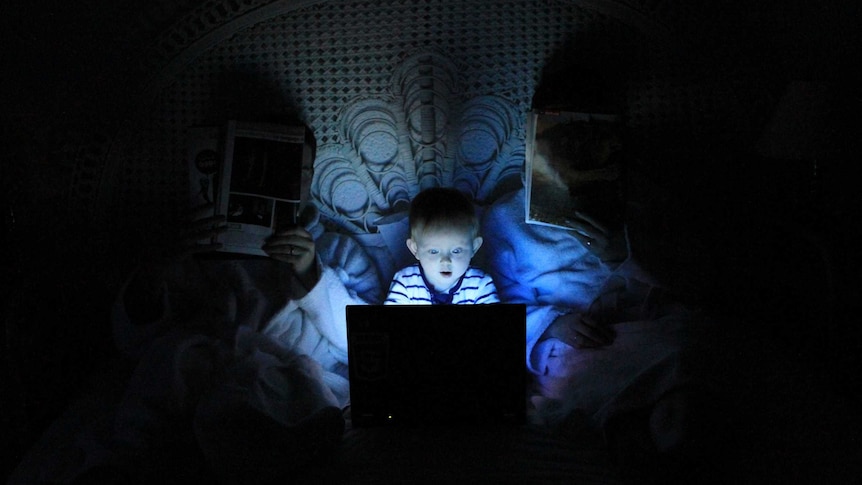
The average adult spends more than 11 hours per day looking at screens — smartphones, laptops, televisions, tablets. This unprecedented level of artificial light exposure, particularly in the evening hours, is increasingly recognized as one of the most significant environmental disruptors of human sleep in the modern era. At the center of this disruption is blue light: a specific wavelength of the visible light spectrum that has an outsized effect on the brain's sleep-wake system.
How Blue Light Disrupts Melatonin
The human circadian system evolved over millions of years in response to the natural light-dark cycle of the sun. The suprachiasmatic nucleus (SCN) — the brain's master clock — uses light as its primary timing signal. Specialized photoreceptors in the retina called intrinsically photosensitive retinal ganglion cells (ipRGCs) are particularly sensitive to short-wavelength blue light (around 480 nm), which is abundant in both sunlight and the LED screens of modern devices.
When blue light strikes these receptors in the evening, it sends a powerful "daytime" signal to the SCN, suppressing the production of melatonin — the hormone that signals to the body that it is time to sleep. Research from Harvard Medical School found that blue light suppresses melatonin for roughly twice as long as green light and shifts circadian rhythms by twice as much. Even relatively brief evening screen exposure can delay melatonin onset by 1.5 to 3 hours, pushing back sleep timing and reducing total sleep duration.
Beyond Melatonin: The Broader Impact
The effects of evening blue light exposure extend beyond melatonin suppression. Disrupted circadian rhythms affect the timing of virtually every physiological process, including core body temperature regulation, cortisol secretion, immune function, and metabolic processes. Epidemiological research has linked chronic circadian disruption to increased risks of obesity, type 2 diabetes, cardiovascular disease, depression, and certain cancers.
Sleep quality, not just duration, is also affected. Blue light exposure in the evening reduces the proportion of slow-wave (deep) sleep and REM sleep, the most restorative sleep stages. Even if you fall asleep at your normal time, the architecture of your sleep may be compromised by earlier screen exposure.
Practical Strategies for Better Sleep Hygiene
The most effective intervention is simple: reduce screen exposure in the 2–3 hours before bed. Enable night mode or "warm" display settings on all devices, which shift the screen's color temperature toward warmer, red-shifted tones with less blue light emission. Blue-light-blocking glasses with amber or orange lenses have shown promise in some studies.
Bright light exposure in the morning is equally important — and often overlooked. Getting 10–20 minutes of natural sunlight within an hour of waking powerfully anchors your circadian clock, making it more resistant to evening disruption and improving sleep quality the following night. This simple habit, combined with evening screen reduction, can produce meaningful improvements in sleep onset, duration, and quality within one to two weeks.
Written by
Dr. Marcus Webb
Health & wellness expert contributing evidence-based content to Health Hub.